

Please join us as we discover one of Italy’s most captivating and, dare we say, misunderstood wine regions.
-
The story of Prosecco begins in the shadow of the Dolomites, along steep, pre-alpine ridges stretching between the towns of Conegliano and Valdobbiadene. Wine has been produced in these hills for millennia, but the modern foundations were laid in the late 19th century: Antonio Carpenè founded what is now Carpenè Malvolti in 1868, the Scuola Enologica di Conegliano (Italy's first wine school) opened in 1876, and Federico Martinotti researched the tank method that would come to define the region's production a few decades later. Global recognition came much later still, after the 2009 reorganization that protected Prosecco as a place rather than a grape.
Today, Prosecco is a worldwide phenomenon, with production extending far beyond the original hillsides to the flats stretching south toward Venice and east toward Slovenia. The original zone -- now officially Conegliano Valdobbiadene Prosecco DOCG, and a UNESCO World Heritage Site since 2019 -- remains home to roughly 200 artisanal producers and more than 3,000 growers working a patchwork of small, often impossibly steep parcels.

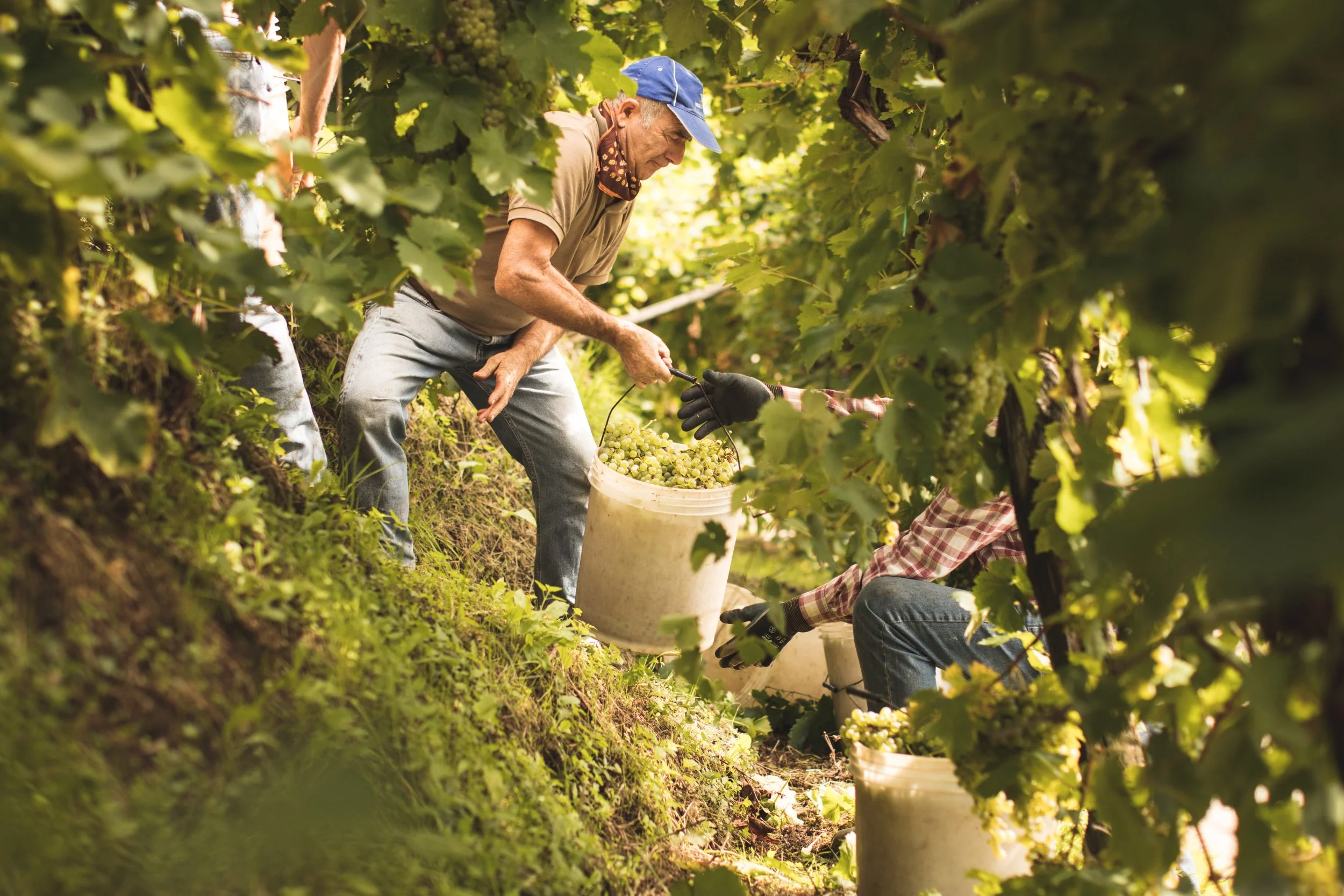
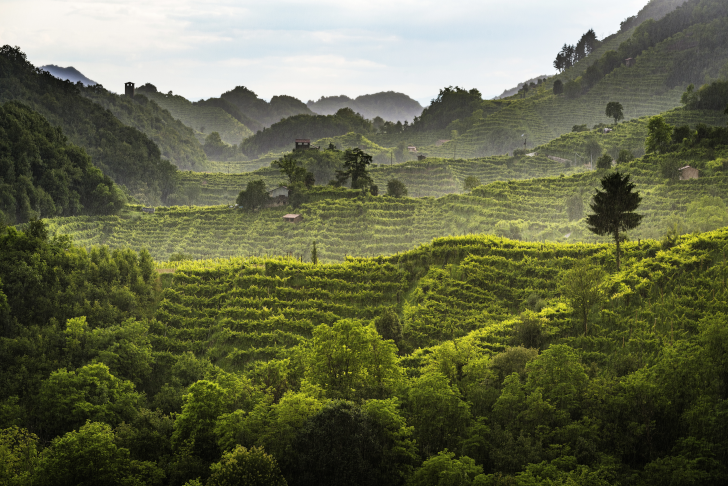
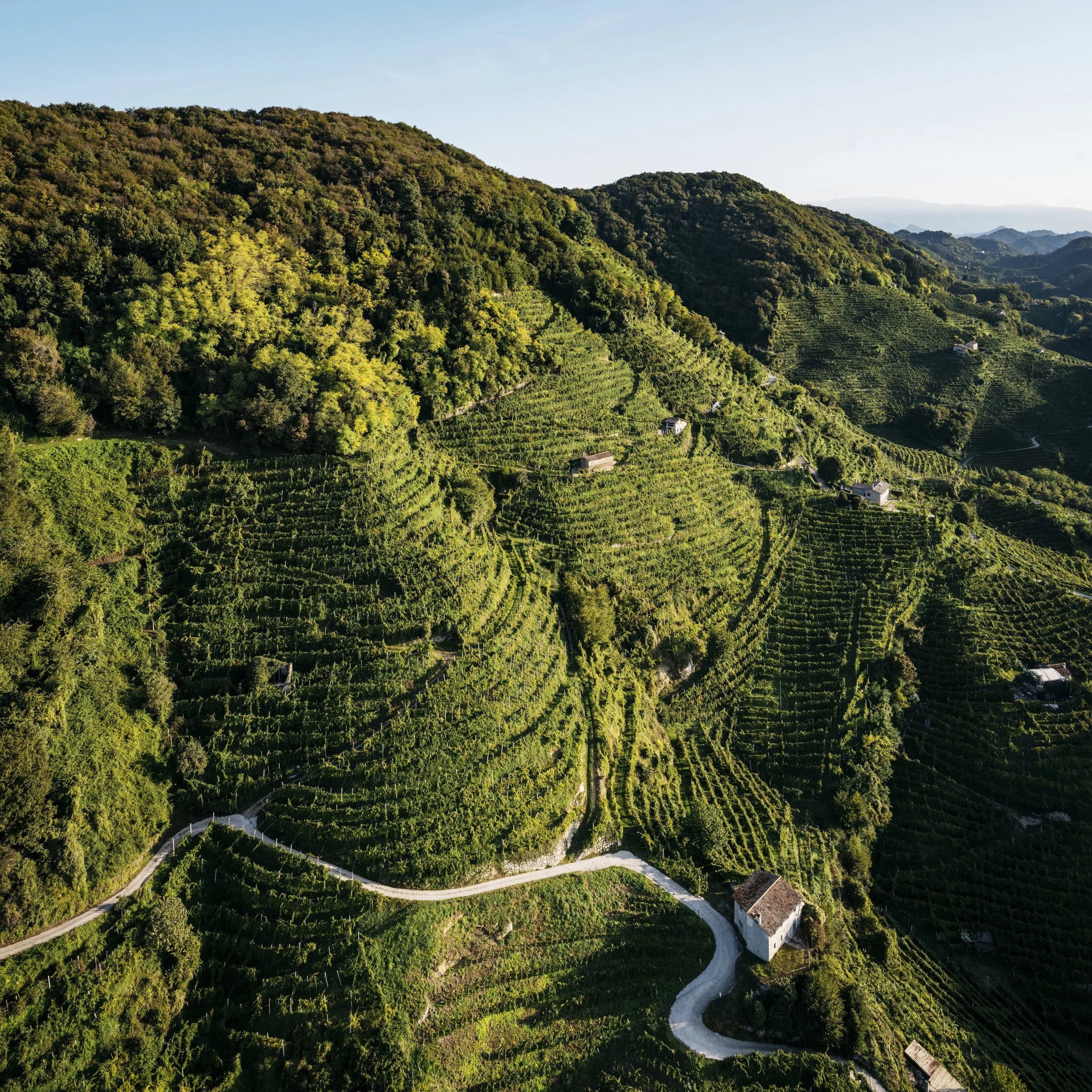

The wines grown on these terraces are worlds apart from what most consumers picture when they hear the word Prosecco. Drier styles increasingly dominate, and a growing number of producers bottle from named sites within the DOCG's 43 Rive, a place-based framework that lets specific hillsides speak for themselves. The result is a category that, at its best, belongs in serious conversation about the world's great sparkling wines. Full stop.
Join us for a closer look at the wines and winemakers shaping this exciting and under-recognized appellation. Sommelier and wine educator Marissa Kipp will lead us through the region's distinct terroirs and key winemaking styles, with flights drawn from some of its leading producers.