Who It's For: Advanced students, Italian wine collectors, and sommeliers building their Piedmont knowledge
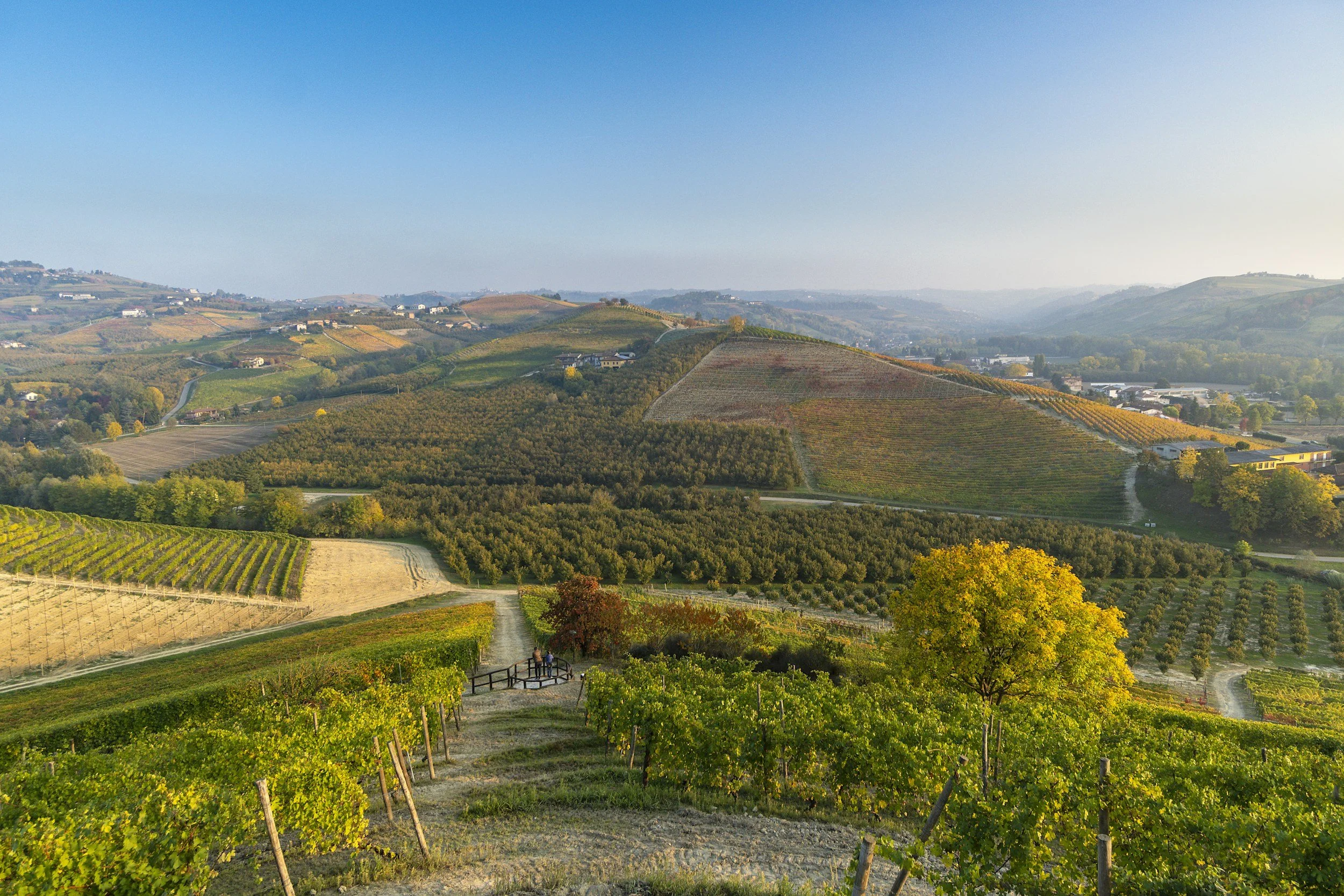
For most of its history, Barolo was labeled by village or by house, and the vineyard where the fruit was actually grown stayed in the background. That changed with the introduction of the MGA system, which formally recognized the individual crus that Barolo drinkers and producers had been quietly tracking for generations. Today the map is drawn, the boundaries are set, and the vineyard names on the label carry real information.
This masterclass digs into how the cru system works and why it matters. We cover the geological differences between the two main soil families of the Barolo zone, the way elevation and exposure shape ripening across the region, and how neighboring crus can produce wines that feel meaningfully different despite the same grape, vintage, and often the same winemaker. We taste across contrasting sites so the theory shows up in the glass.