Who It's For: Students who have taken Sake 101 or arrived with the basics in hand, restaurant and hospitality professionals, and anyone whose sake interest has moved past “what is it” and into “how does it work.”
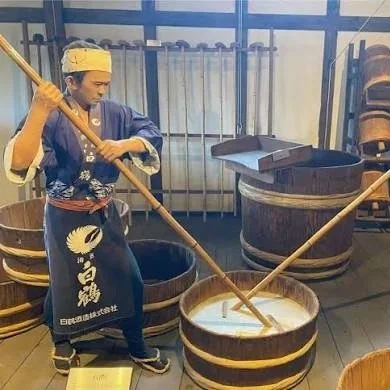
Sake 101 covered the fundamentals. Sake 201 goes under the hood. In sake brewing, the fermentation starter is called the shubo, or “the mother,” and the method a brewery uses to build hers is one of the most consequential decisions in the entire process. Different mothers produce dramatically different sakes, and once you learn to taste the differences, you can start reading a sake the way a wine drinker reads a label.
Certified Kikisake-shi Mona returns to lead the room through the three mothers that define the category. Sokujo, the modern method that produces the clean, precise sake most drinkers have encountered. Yamahai, with its wilder, more savory character pulled from natural lactic acid development. Kimoto, the oldest of the three, labor-intensive and prized for the depth and complexity it delivers. We taste examples side by side so the differences move from theoretical to obvious, and cover how temperature, water, rice polishing, and yeast all layer on top of the fermentation choice to shape the finished bottle.