Who it’s for: history fans, old-vine Zinfandel devotees, and anyone who has ever wondered how American wine survived its most hostile decade.
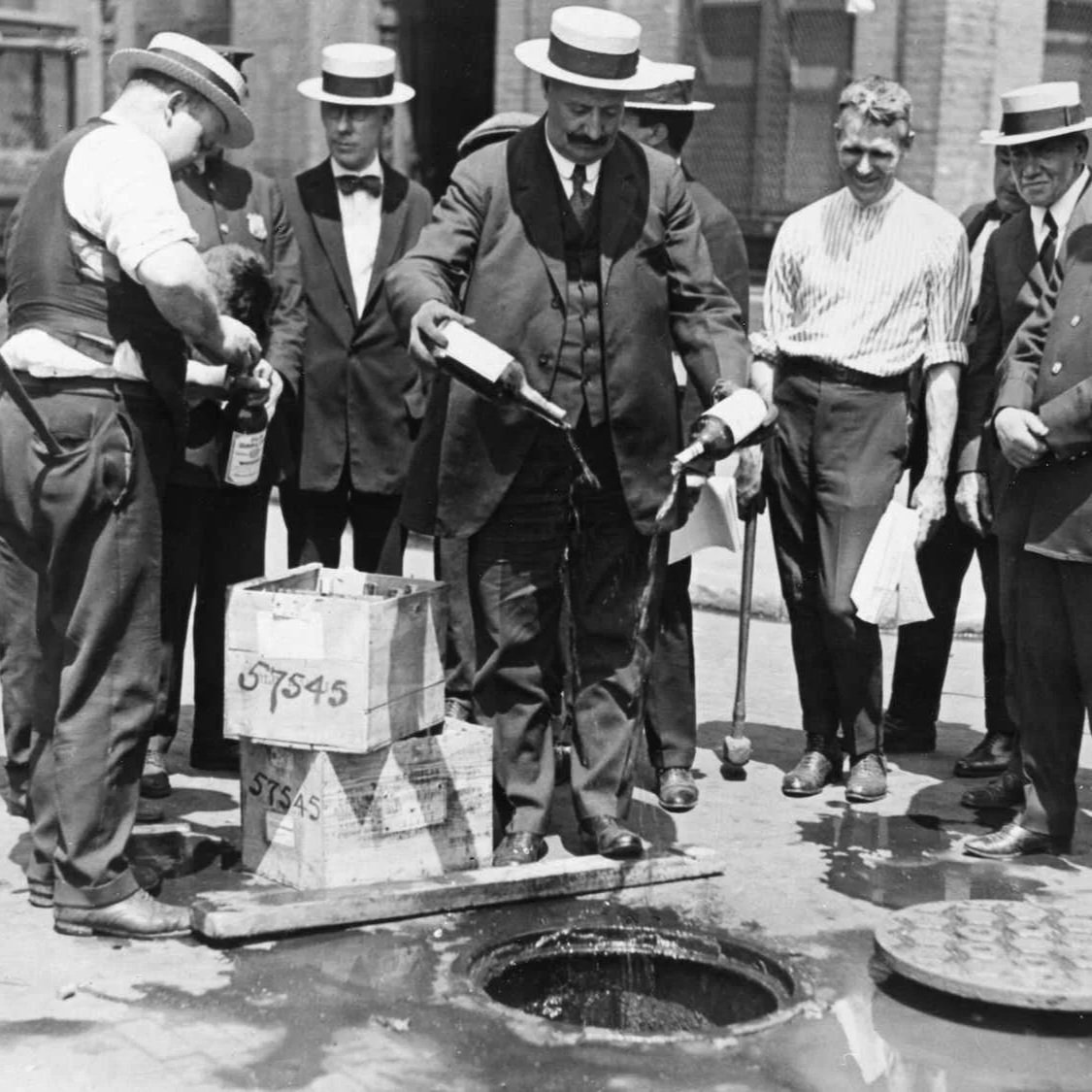
Prohibition was supposed to shut the wine industry down. Instead, it reorganized it. Two legal gaps kept California’s vineyards in the ground and a handful of wineries open through the entire thirteen-year run, and the fingerprints of that era are still visible in the American wine industry today.
The first loophole was home winemaking. Households could legally produce around two hundred gallons a year of “fruit juice,” so California shipped grapes east by the railcar, and vineyard acreage actually grew during Prohibition. The second was sacramental wine. Altar wine was exempt, and a few wineries stayed open by selling to churches. Suddenly, the country had a lot more clergy than anyone expected.
We taste through a flight that walks you through both loopholes, with wines drawn from the grapes and producers that lived through the dry years. Each pour comes with its story.